

Introduction to the Filling Machine
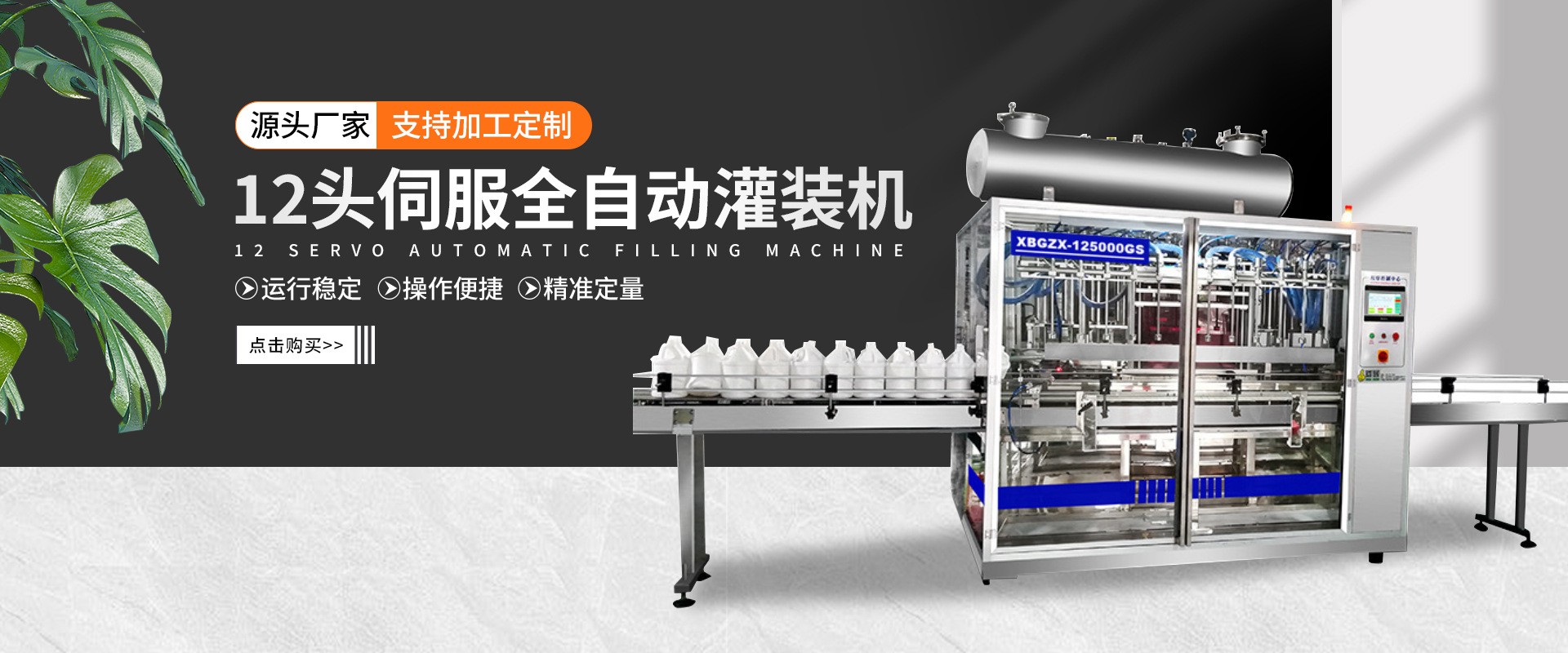
Introduction to the Filling Machine
The filling machine is an automated device widely used in industries such as food, beverages, pharmaceuticals, chemicals, and daily chemical products. Its primary function is to accurately and efficiently fill liquids, pastes, or granular materials into various containers (such as bottles, cans, bags, and tubes). It serves as one of the core pieces of equipment for achieving automated product packaging in modern production lines.
Key Features and Advantages:
High Efficiency and Automation: Capable of achieving continuous, high-speed filling operations, significantly improving production efficiency and reducing labor costs.
High Precision and Consistency: Advanced measurement technologies (such as volumetric, gravimetric, and flow meter-based systems) are employed to ensure highly accurate and consistent filling quantities for each product, minimizing material waste.
Wide Applicability: By replacing filling heads and adjusting parameters, it can accommodate materials of varying viscosities (from aqueous to paste), different properties (carbonated, sterile), as well as containers of diverse shapes and specifications.
Hygiene and Safety: The parts in contact with materials are typically made of stainless steel or other easy-to-clean, corrosion-resistant materials, complying with GMP (Good Manufacturing Practice) or food hygiene and safety standards. Some models can achieve online cleaning (CIP) and online sterilization (SIP).
Flexibility and Intelligence: Modern filling machines are often integrated with PLCs (Programmable Logic Controllers) and touch-screen HMI interfaces, offering simple operation, flexible parameter adjustments, and features like fault diagnosis and data recording, facilitating production management and traceability.
Main types:
Classification by filling principle: atmospheric filling machine, pressure filling machine, vacuum filling machine, gravity filling machine, weighing filling machine, etc.
Classification by automation level: Semi-automatic filling machines, fully automatic filling machines (often connected with capping, labeling, and coding equipment to form an automated production line).
By material type: liquid filling machine, paste filling machine, granular filling machine, sauce filling machine, etc.
By container type: bottle filling machine, can filling machine, bag filling machine, tube filling machine, etc.
Application Fields:
Food and Beverage: Mineral water, fruit juice, cooking oil, soy sauce, vinegar, alcoholic beverages, milk, yogurt, condiments, etc.
Pharmaceutical industry: oral liquids, injections, medicinal solutions, ointments, disinfectants, etc.
Household Chemical Industry: Shampoo, shower gel, skincare products, cosmetics, detergents, etc.
Chemical Industry: Lubricants, paints, coatings, adhesives, pesticides, etc.
In summary, the filling machine is an indispensable key piece of equipment in modern industrial production. Its technological level directly impacts the packaging quality, production efficiency, and cost control of products, serving as vital machinery for enhancing automation and market competitiveness across various industries.
Popular Articles
-
Introduction to the Filling Machine
Introduction to the Filling MachineThe filling machine is an automated device widely used in industries such as food, beverages, pharmaceuticals, chemicals, and daily chemical products. Its primary fu